


Do you dive with nitrox?
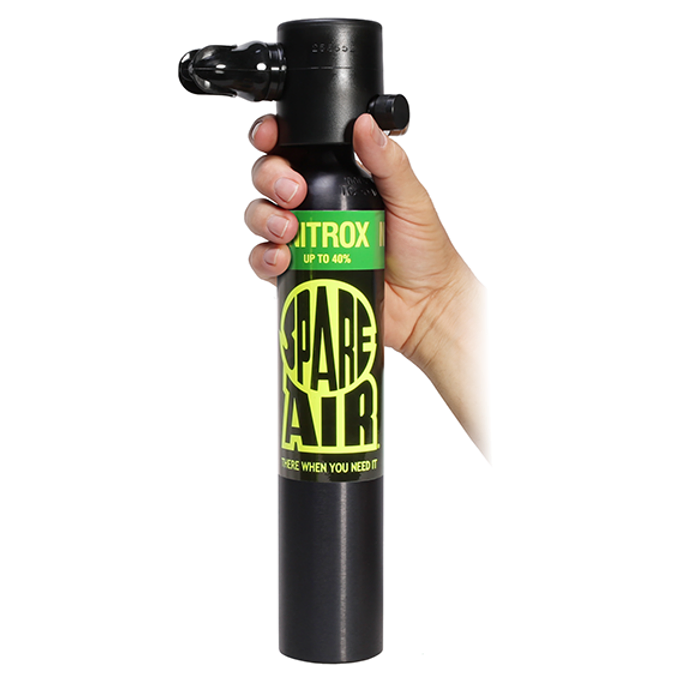
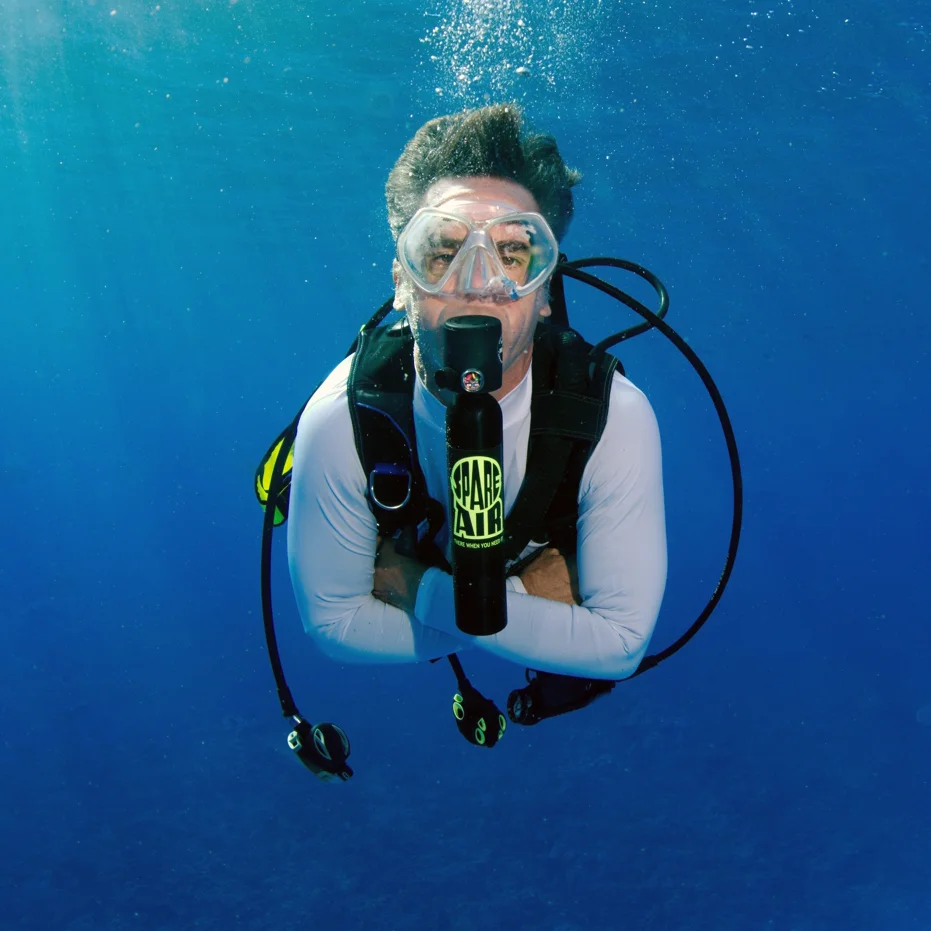
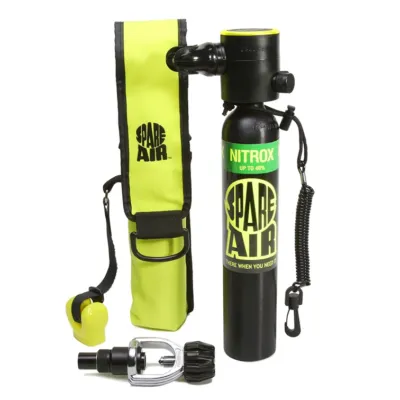
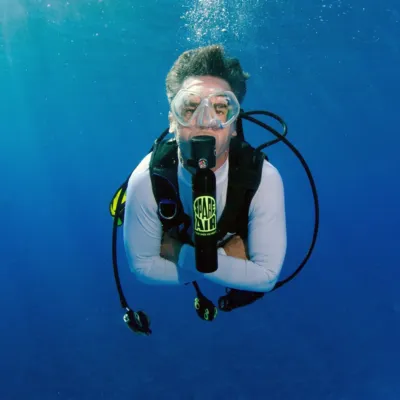
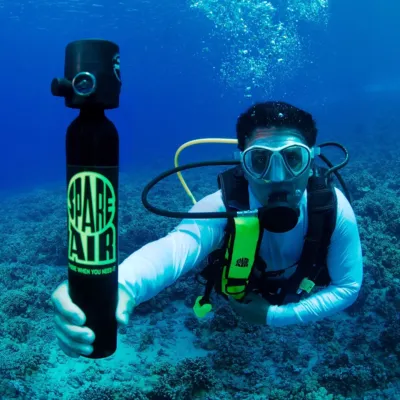
- If you dive with nitrox, this Spare Air is for you.
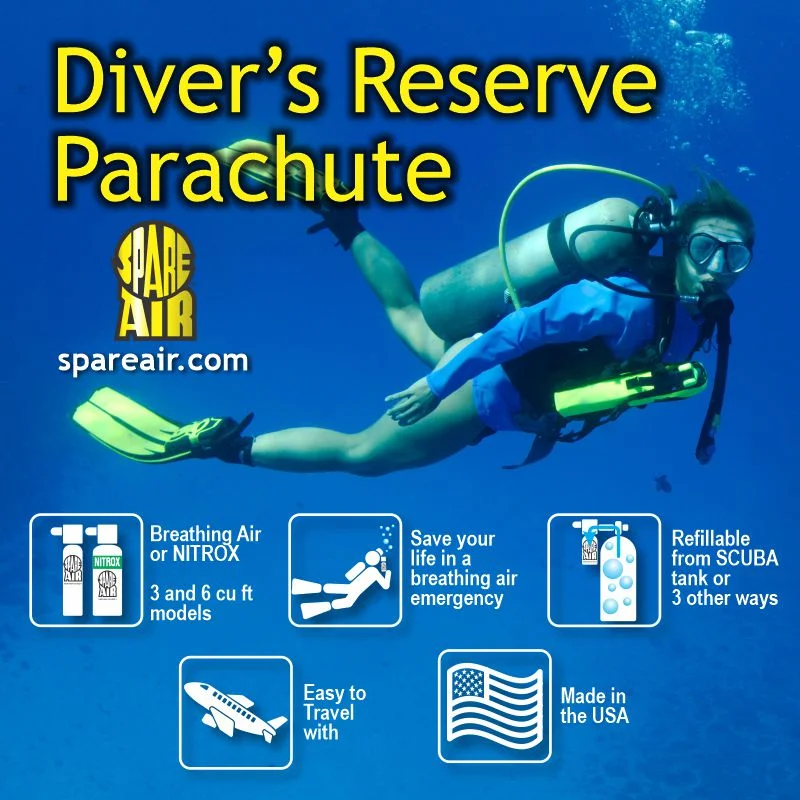
- Nitrox ready up to 40% EANx.
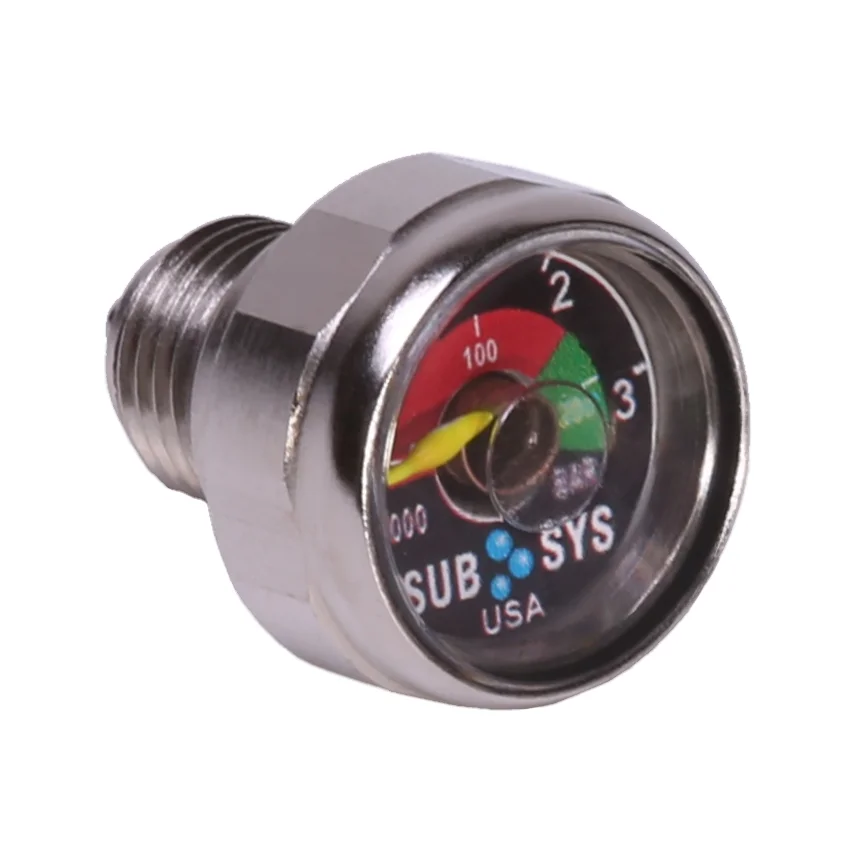
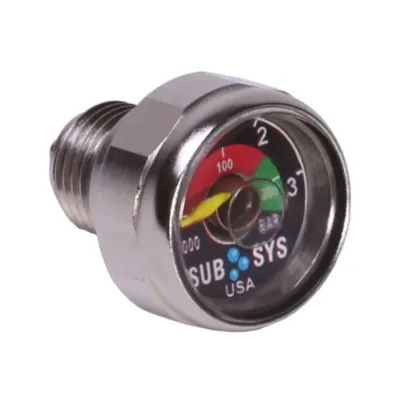
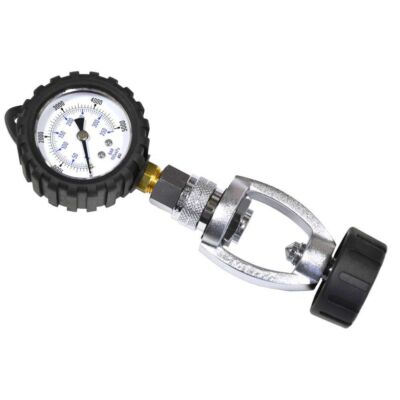
- Dial gauge (optional).
- 85ltrs / 3cuft of air.
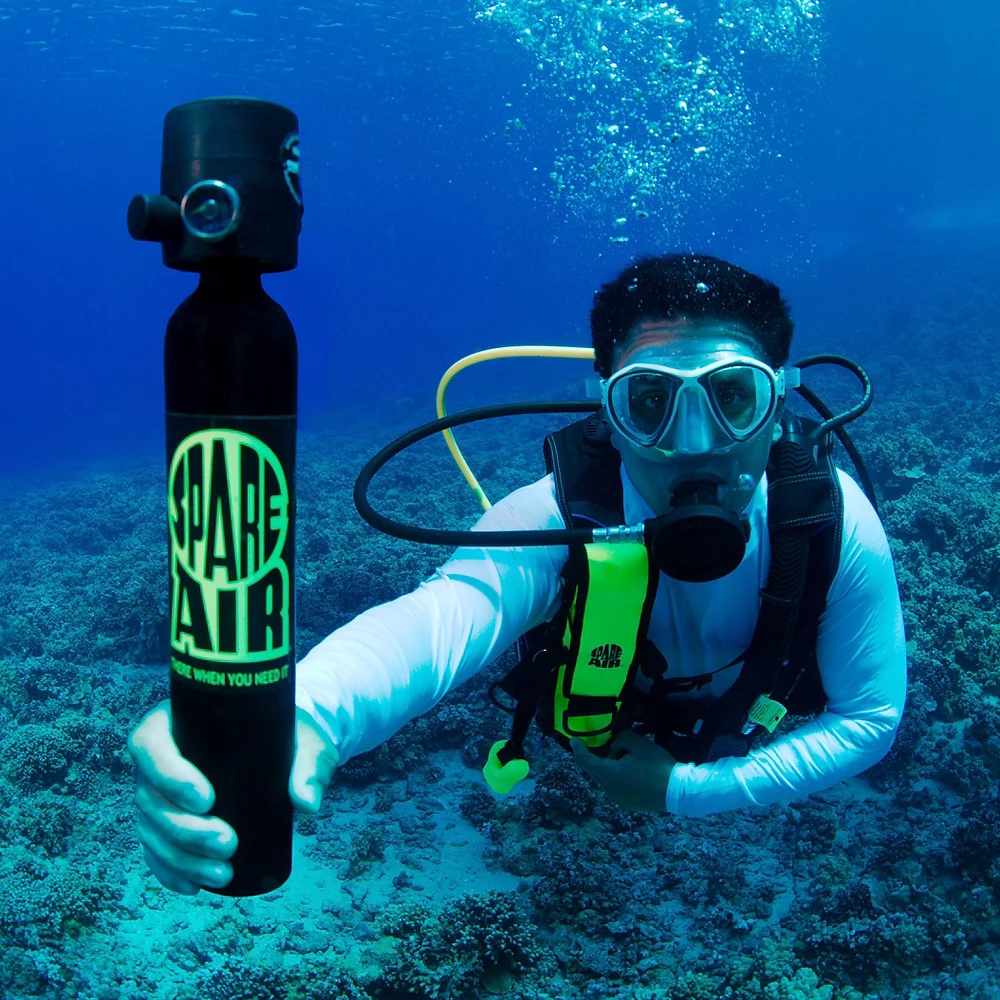
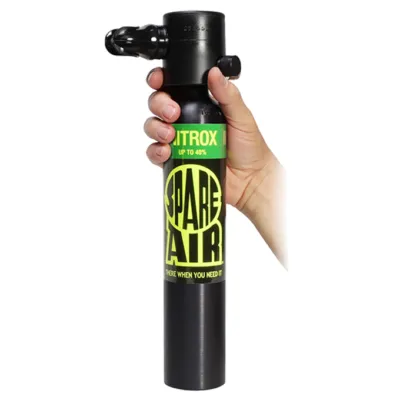
- Tank finish in durable anodized black with a clearly marked nitrox label.
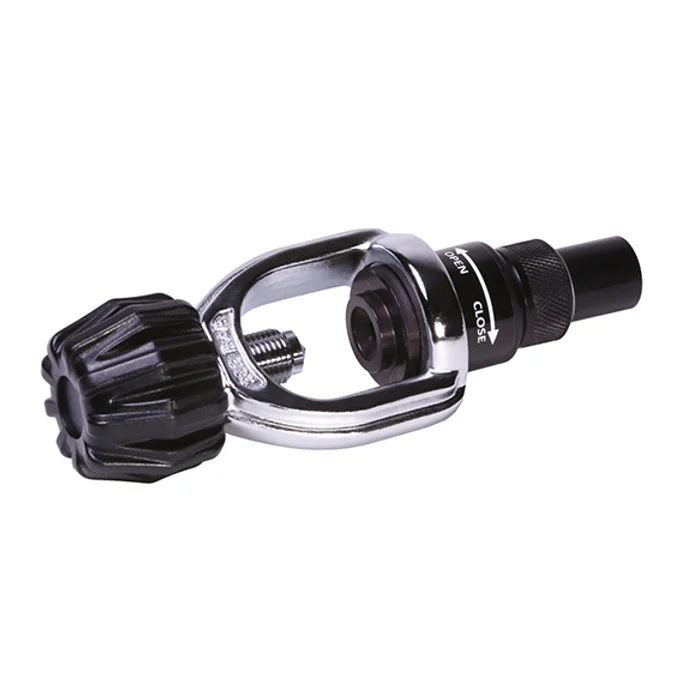
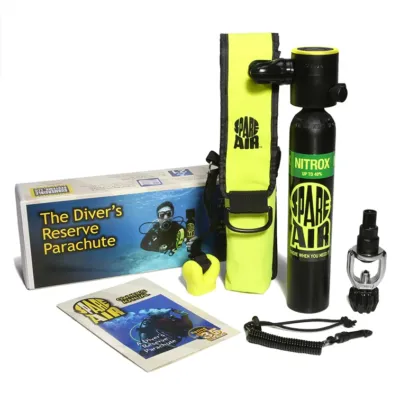
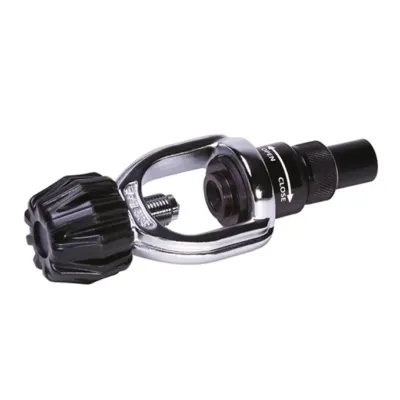
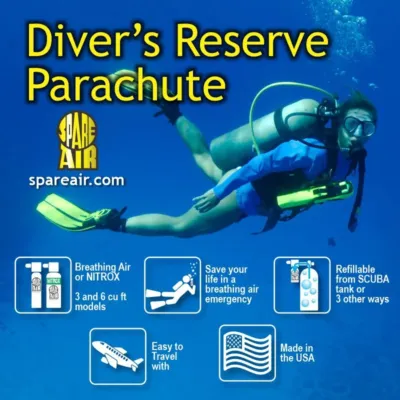
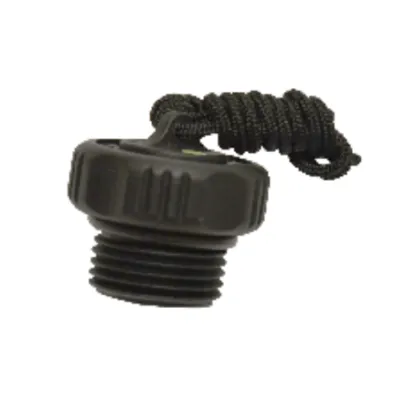
- Easily refill from your own Nitrox SCUBA tank with the included refill adapter.
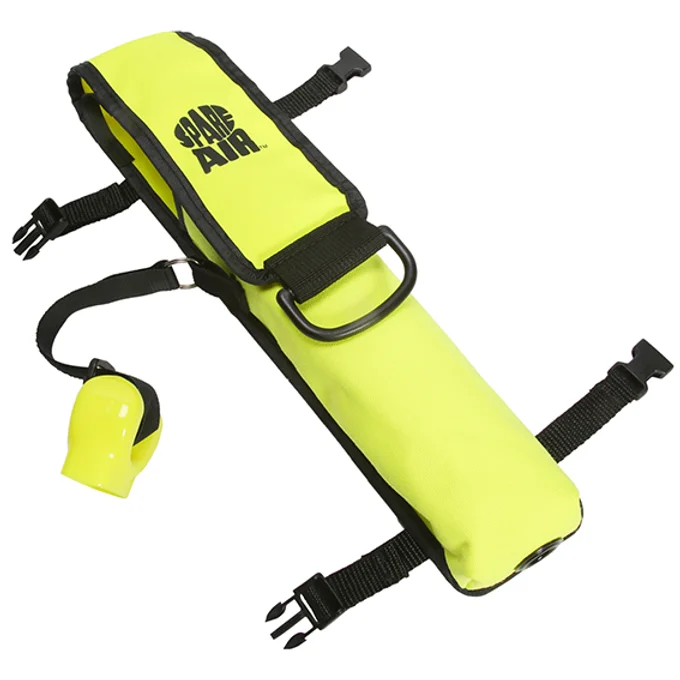
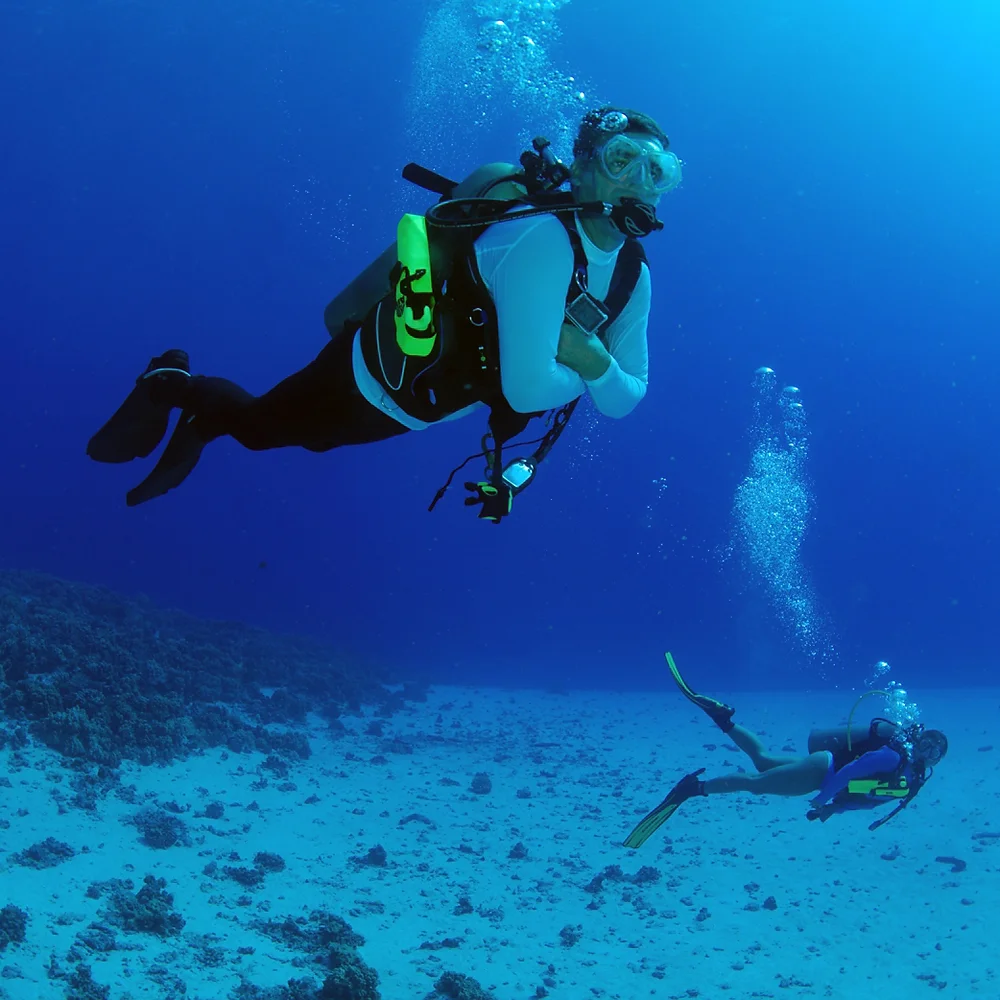
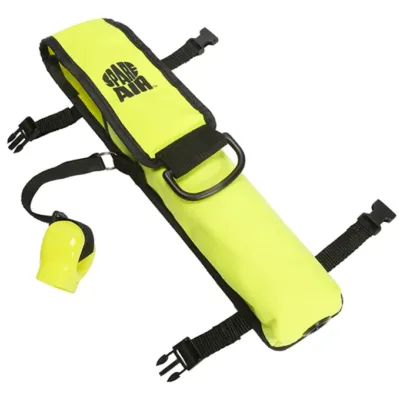
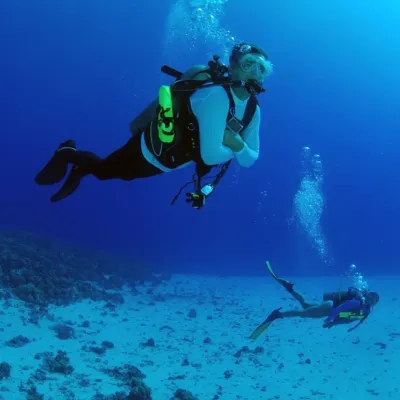
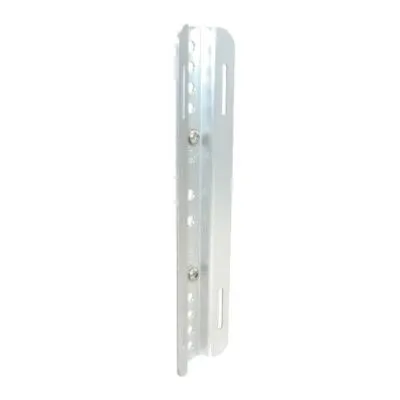
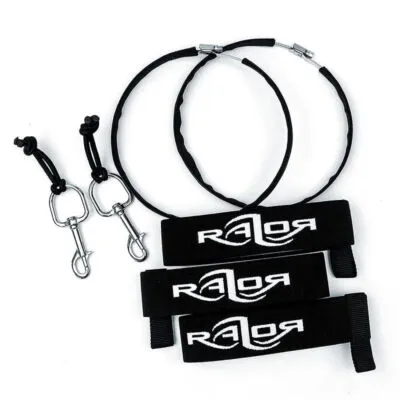
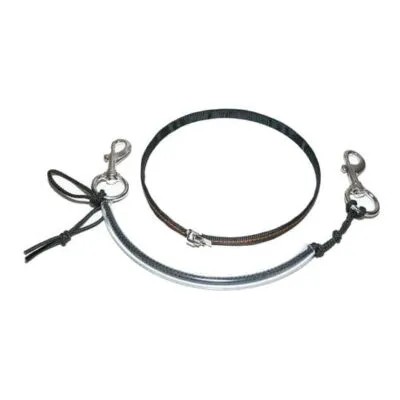
- Easily attaches to your BCD with the included holster and safety leash.
- Small, hands-free, nearly neutrally buoyant.
- Breathe on demand regulator – no complicated instructions.
- Completely redundant backup miniature SCUBA system.
- Faster than buddy breathing and easier than an octopus.
Specifications
| Cylinder Capacity | 85 ltrs / 3 cuft |
| Water Capacity | 0.5 ltrs / 30 cuin |
| Service Pressure | 207 bar / 3000 psi |
| Length | 34 cm / 13.4″ |
| Diameter | 5.7 cm / 2.25″ |
| Weight | 1 kg / 2.2 lb |
| Cylinder Material | Aluminium – Black Anodized |
| Regulator Type | Balances Single Stage |
| Surface Breaths* | 57 |
*Based on 1.5 ltrs per breath.

Hunter S –
Can the spare air regulator be removed for airline travel? Is there an air travel safe certification or similar I can show airline ground staff when booking in luggage?
Divegen –
There is no travel safe certification that is available unfortunately, however TSA in the USA have provided the following response in terms of travelling with compressed air cylinders:
“Except for personal medical oxygen cylinders, you can only carry an EMPTY compressed gas cylinder onboard a plane. To be permitted (in either carry-on or checked baggage), it must be clearly visible to the TSA officer that the cylinder is empty. Personal oxygen is permitted if the regulatory valve has not been tampered with or removed.
Unless being used for personal medical oxygen, the gas cylinder regulator valve must be completely disconnected from the cylinder (in other words, the cylinder has an open end that allows the TSO to visually inspect the cylinder). TSOs will NOT remove the seal or regulator valve from the cylinder. If the gas cylinder is sealed (the regulator valve is still attached) and not required for personal medical oxygen, the gas cylinder is prohibited, regardless of the reading on the pressure gauge indicator.”
Source: https://www.tsa.gov, August 2017.
We have recently reached out to the Australian Civil Aviation Safety Authority (CASA) for further advice and whether this ruling applies, and is still current. We will advise when we receive a response.
Divegen Staff –
Please see below the response from the Australia Civil Aviation Safety Authority (CASA):
“A scuba tank/cylinder can be taken in your carry-on or checked-in baggage. CASA’s Can I pack that? website under ‘scuba tank’ states that the tank/cylinder must be empty.
There are other considerations which are outside of CASA’s remit such as Airport Security and Prohibited Items which are the remit of the Department of Home Affairs. Advice provided on their web page regarding What you can and can’t bring is to check with the airline prior to your flight.
Please note that airlines may choose to impose additional restrictions on the carriage of items on their aircraft which are more restrictive than the regulations. If in doubt, CASA recommends confirming with the airline prior to travel if they will allow your item in passenger baggage and if you are required to advise airline staff of this item when checking in for your flight.”